2027 Schedule
See what we have to offer Winter, Spring, Summer and Fall in 2027!
Checklists
Species we could possibly encounter listed by season
Seabirding Blog
Check out hundreds of trip reports and images from the past 15 years!
Book Now
Register and pay for space(s) on our Seabirding Trips.
About us
Captain Brian Patteson has been organizing and leading pelagic birding trips since 1986. In 1995, he moved to Hatteras, North Carolina so that he could offer a more extensive schedule of pelagic trips in some of the most consistently productive offshore waters in the western North Atlantic. The close proximity of both the warm Gulf Stream current and the edge of the Continental Shelf inshore, as well as the influence of the cooler Labrador Current make Hatteras waters a dynamic environment which attracts a remarkable diversity of seabirds throughout the year.
Dynamic Ecosystem
We are located just north of Hatteras Island, NC. To the east of this island is the edge of the Continental Shelf…here we are the closest to this deep water on the East Coast of the US. This gives us an unparalleled opportunity to maximize time in the deep on a day trip. East of Hatteras Island is also where the Gulf Stream and Labrador Current collide giving us an incredibly dynamic ecosystem just offshore. Beginning in 2026 we are now operating from Oregon Inlet to the north, but we have close to 30 years of seabird data from Hatteras Inlet to the south as well.
Pterodroma Alley
Years of offshore trips from Hatteras and Oregon Inlets have proven this to be an excellent place to encounter petrels of the genus Pterodroma, our signature species the Black-capped Petrel (they nest on Hispaniola Island) is offshore here 365 days of the year! Most years we find Desertas Petrel (previously called Fea’s Petrel – they nest on Bugio Island near Madeira) on our spring trips and Trindade Petrel (they nest on Trindade Island off the coast of Brazil) can be found when conditions are right on any Gulf Stream trip. These birds are rare but regular visitors to the Gulf Stream. Bermuda Petrel (aka Cahow, nesting on Bermuda) is a species we always hope to see but they are the rarest Pterodroma of the four! Regardless, our trips offer the best chance to see them at sea away from Bermuda.
We are incredibly lucky to see these species on day trips to the Gulf Stream aboard the Stormy Petrel II. They are not expected species on our winter trips, but if we make it to the Gulf Stream we certainly could see a Black-capped Petrel in the winter! They’re out there all year but conditions in the winter the Gulf Stream is pushed out by the cold water of the Labrador Current so we rarely get to where the Black-cappeds roam on these trips.
Our team
Captain Brian Patteson pilots the Stormy Petrel II on every trip and with years of offshore experience his skills are the best in the field. Kate Sutherland works in the background and is on board keeping data and photographing seabirds and cetaceans when she’s home! She also has decades of experience offshore from Hatteras. Daniel Irons joined the team in 2023 and is now our eagle eyed spotter on every trip and making sure we don’t miss a thing…!
We have numerous guest leaders who join us to help our participants see and learn about the species we see offshore. Our team is one of the best for this type of birding!
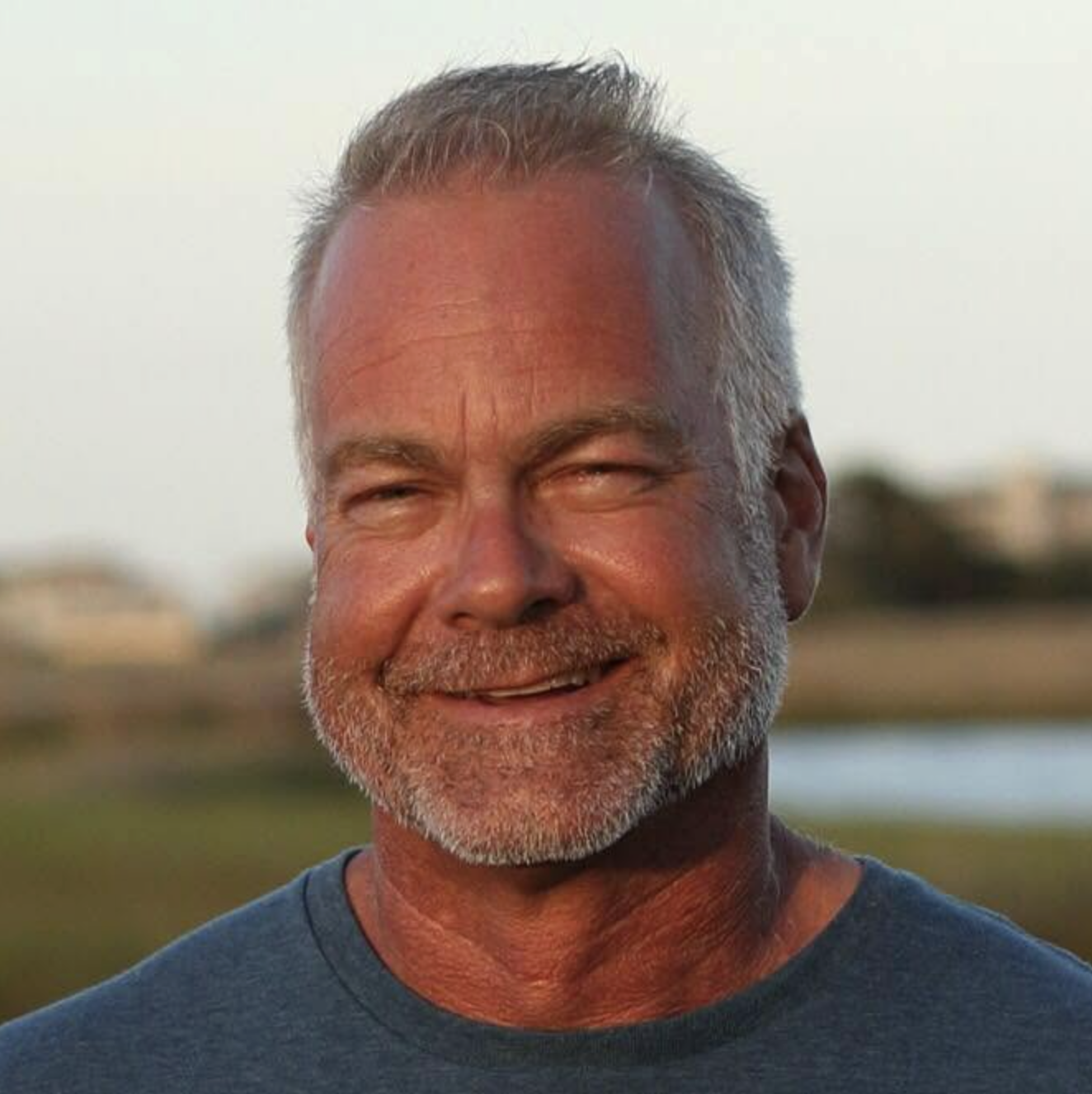
Captain Brian Patteson
The overlord
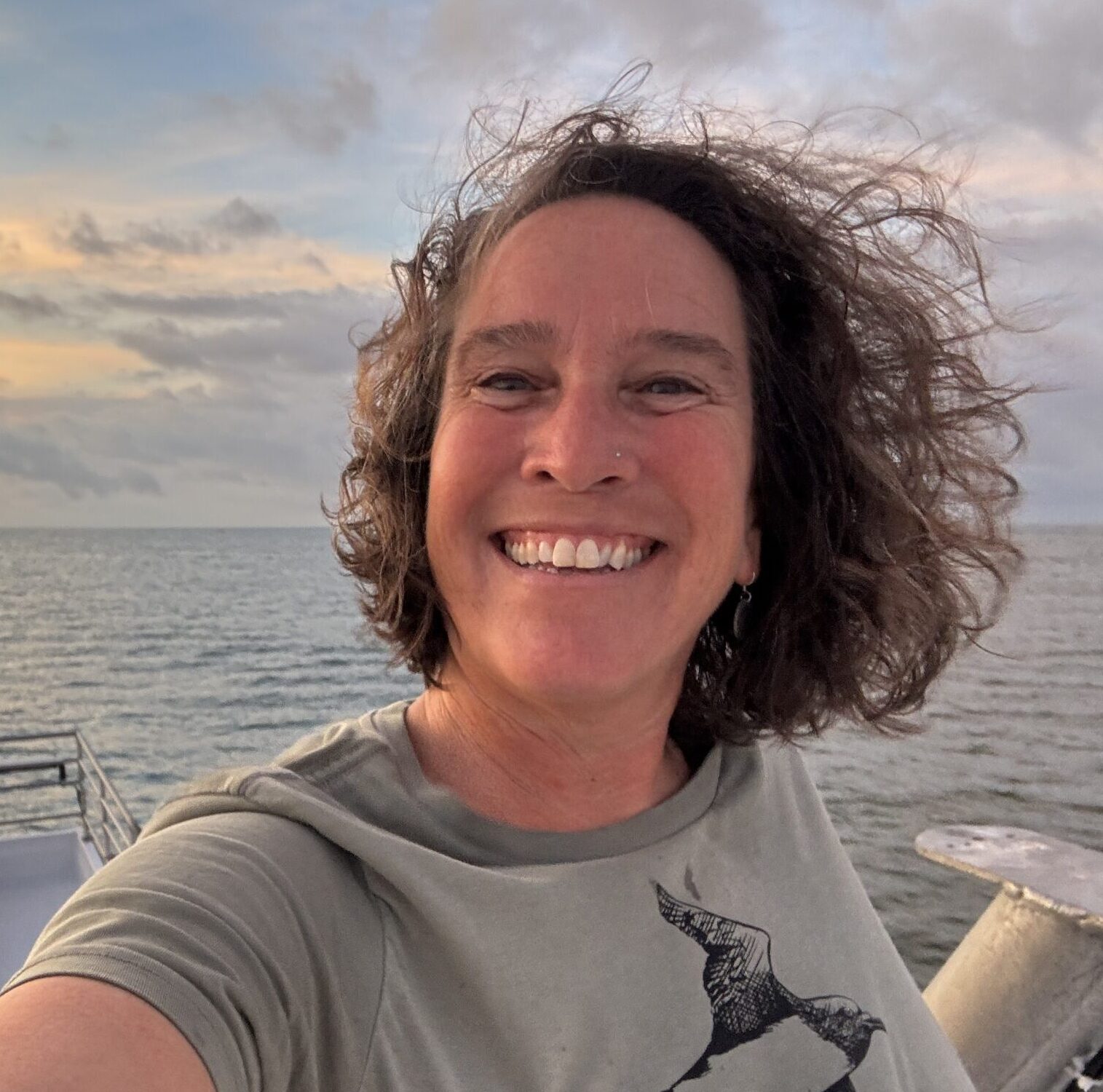
Kate Sutherland
chum bitch
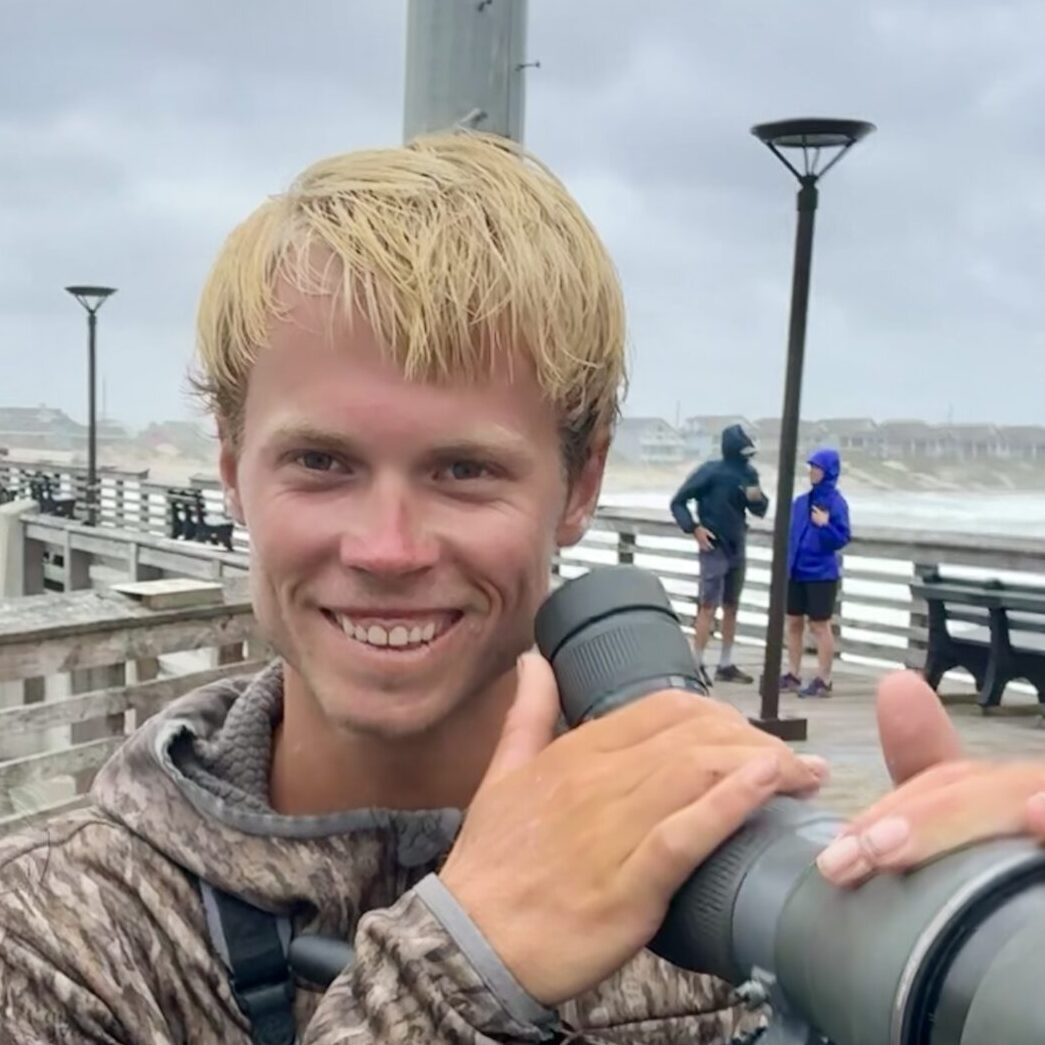
Daniel Irons
eagle eye
Have a Question?
Scroll down for quick links to pages with information about our trips – Trip Types and Meeting Times, Driving Directions, Where to Eat and Stay, Notes on Preparation (including Seasickness), Safety Information, Cancellation Policies and more.
Still have a question? Feel free to email or call us using the link to the right!
Quick Links
Find links to pages with the answers to most of your questions here! These can also be accessed from the main menu under “Our Trips”
Terms & Conditions
Weather
Meeting Times & Directions
What to Expect on Our Trips
Preparations
Getting the Most Out of Your Trip
Where to Eat & Stay
Our Seabirding Blog
Testimonials
A few notes from those who know what pelagic trips are like all over the world…
I’ve made the trip all the way from the UK for two of Seabirding’s spring blitzes out of Hatteras, and both times it’s been absolutely worth it.The species diversity is seriously impressive — a real mix of seabirds and cetaceans, with fantastic, close-up views that keep you glued to the action. The leaders are excellent: sharp, informative, and they really know how to share the excitement. And the motorboat Stormy Petrel 2 is perfect for the job — stable, comfortable, and built for those Gulf Stream runs.If you’re after top-class pelagic birding and marine mammal watching, Seabirding’s Hatteras trips deliver in a big way. Highly recommended.
Dr Robert L. Flood, Isles of Scilly, UK

Simply the best pelagic birding operation in North America. Why say more?
Steve N. G. Howell
Author of Petrels, Albatrosses, and Storm Petrels of North America and (with Kirk Zufelt) Oceanic Birds of the World (both Princeton University Press)
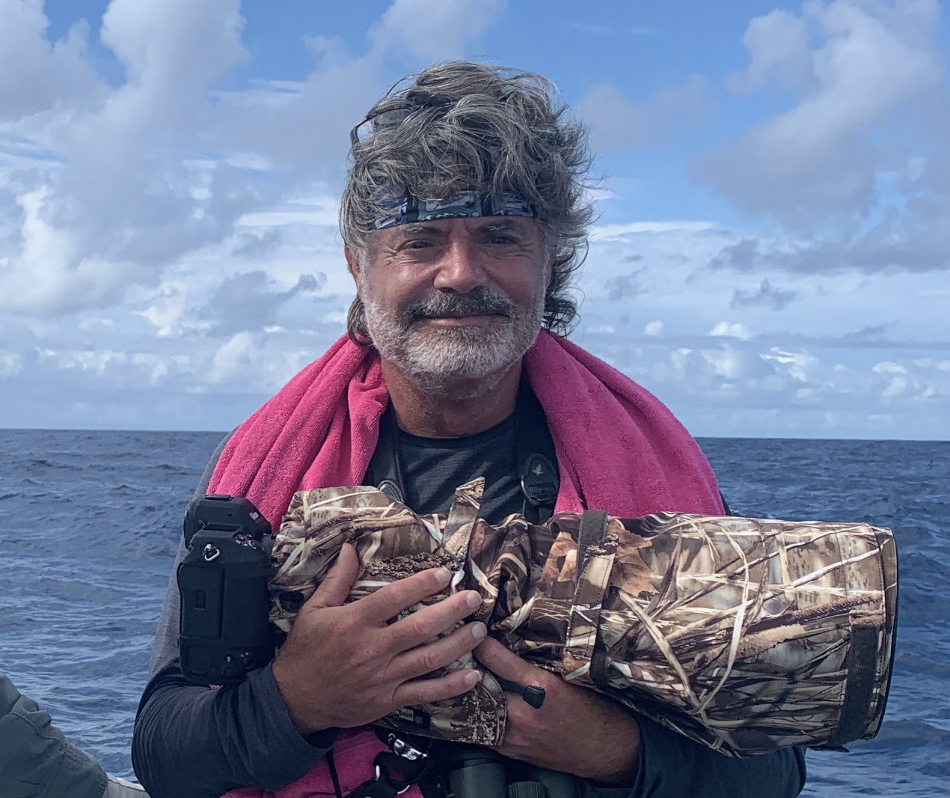
A pelagic trip on the Stormy Petrel 2 is always an excellent learning experience for both the beginner and the experienced seabirder.
The Seabirding Team – Brian, Kate, Daniel and the many great leaders are unsurpassed in their professional approach to pelagic birding.
I really like how they have integrated many young birders into their leaders group, it is a great investment in the future.
Where else do you get an ultra experienced seabirder and photographer piloting the ship?
Mostly I like the unique opportunities to see and photograph globally rare seabirds like Trindade Petrel and Black-capped Petrel as well as a great variety of shearwaters, storm-petrels, jaegers, terns and tropicbirds.
The trips off Oregon inlet this summer (2026) were really truly remarkable for both rarities as well as cetaceans and this location appears to have real promise for the seasons to come.
Kirk Zufelt
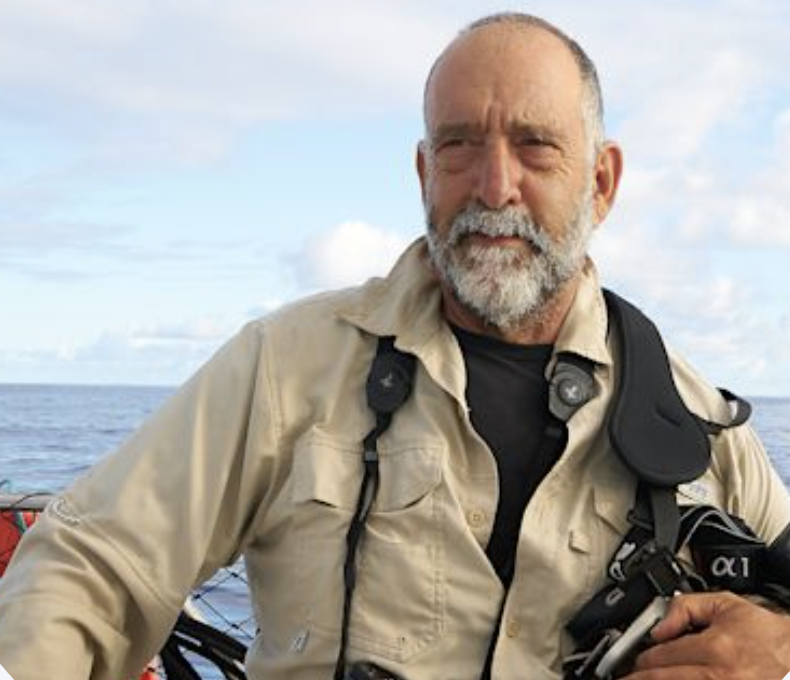
Over the past 20 years, I’ve crossed the Atlantic multiple times for Seabirding’s Stormy Petrel II pelagic trips, as they are among the best in the field. I have a basis for comparison; I have been and tried almost everything by now. Put simply, Seabirding’s pelagic trips led and managed by Brian and Kate, and with a brilliant set of guides: the ultimate! And this is why:
The species diversity of the Guff Stream, off Hatteras, is incredible! It is the key site for the endangered Black-capped and Black-faced Petrels, among other rare gadflies and shearwaters. They also do parallel conservation research, with ‘Seabirding’ operations being the main source to learn about these endangered gadflies. What you get for a full-day pelagic is priceless. Seabirding’s team knows how to chum for the conditions. They know how to find the birds in huge oceanic areas, in any kind of weather, and they can adjust and adapt, never giving up. Highly informative time on board, as you can learn a lot from Kate and the guides. The boat is very comfortable and suitable for open ocean and extremely good for seabird photography – it cannot be better! Safety measures are handled extremely well! Seabirding’s team are very friendly; it is always great fun. And I always meet good and interesting people on board!
But just try it and see for yourself!
Hadoram Shirihai
Our Interests
We love seabirds and are dedicated to their conservation. Here are some notes and links about the things the three of us think are super important!
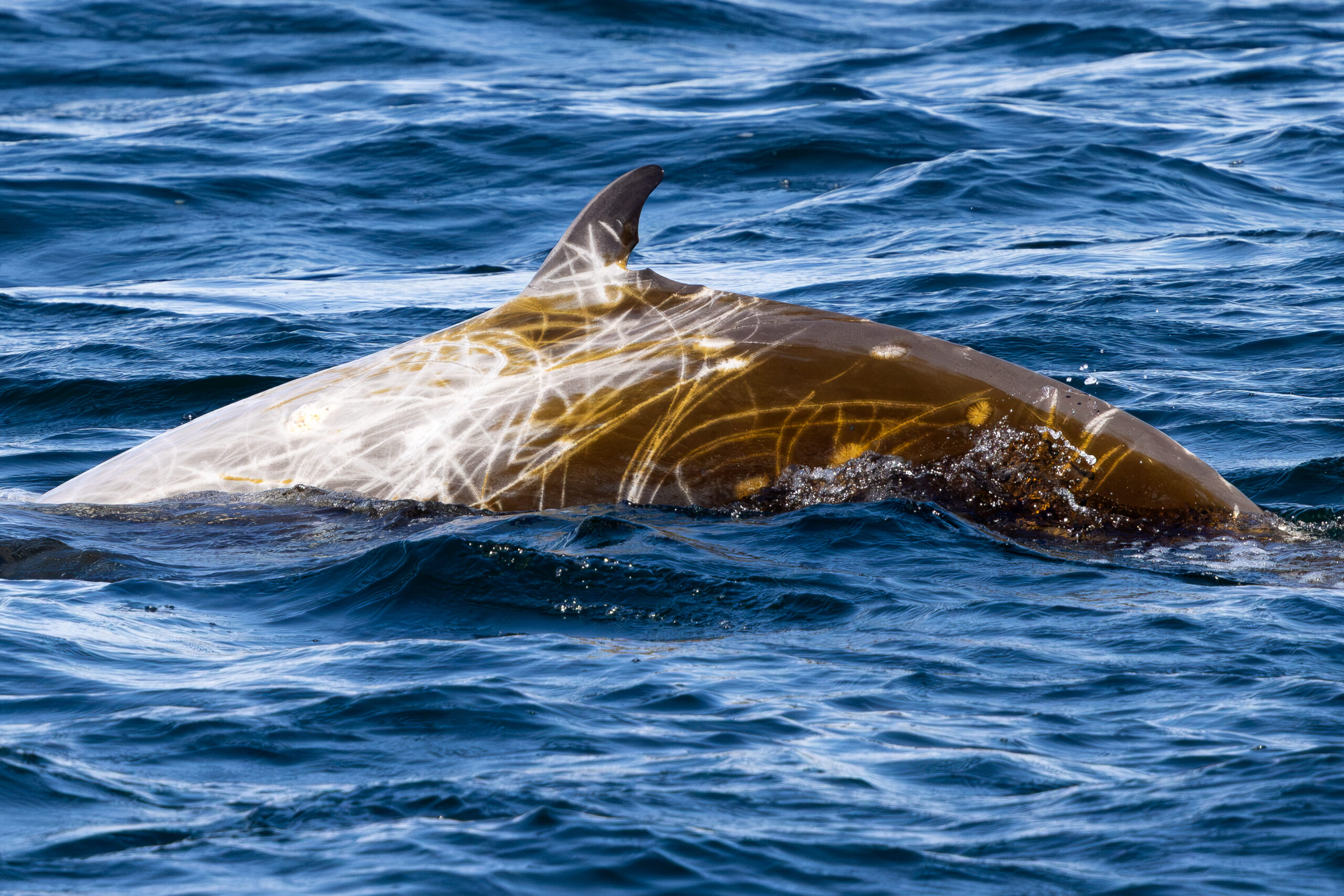
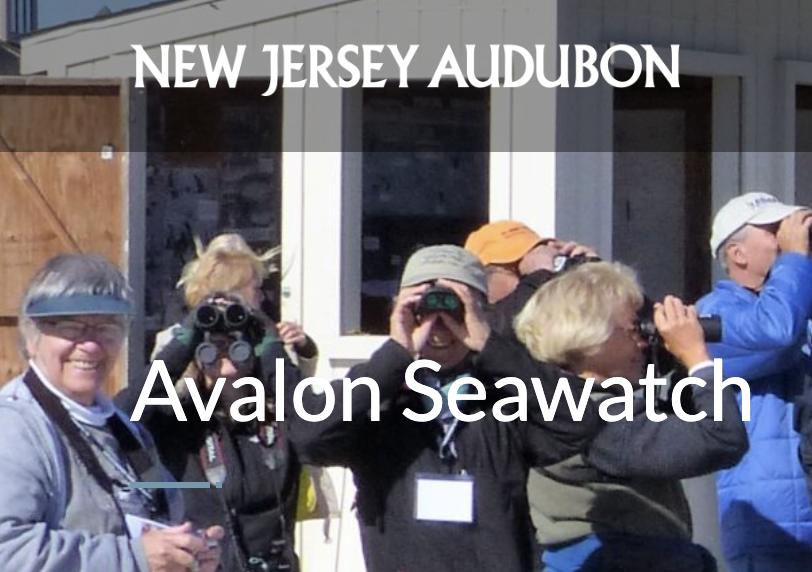
L to R Black-capped Petrels, Goose-beaked Whales and research by Duke Marine Lab, Seawatching and collecting data
Scilly Pelagic Trips, Zino’s Petrel Pelagics by Madeira Wind Birds, Heritage Expeditions and the NZ SubAntarctic Islands!
Contact us
We are most easily accessible via email due to long days offshore without internet or cellular service. Please note it might take us up to 24 hours to reply!